Bold Brews: Exploring Asia's Strongest Coffee Traditions | Angana Panda
Bold Brews: Exploring Asia's Strongest Coffee Traditions

Introduction
The coffee aroma from roasted beans on a busy street in Hanoi, the slow trickling of water through a traditional filter, or the crowds at coffee shops in Seoul—coffee has now become an important element of the everyday lives of many people in Asia. Although most of the Asian countries have a long history of drinking tea, coffee has gained popularity in recent decades and brought about brewing techniques that reflect local flavors and use local products. However, how do you know if a certain coffee is strong? Is there any particular ingredient in the brew that makes it strong? There are a number of parameters that affect the strength of coffee, such as the type of the coffee beans used, the way of their roasting, the brewing method, and the ratio of coffee to water.
In this guide, we will consider some of the strongest coffee cultures in Asia.

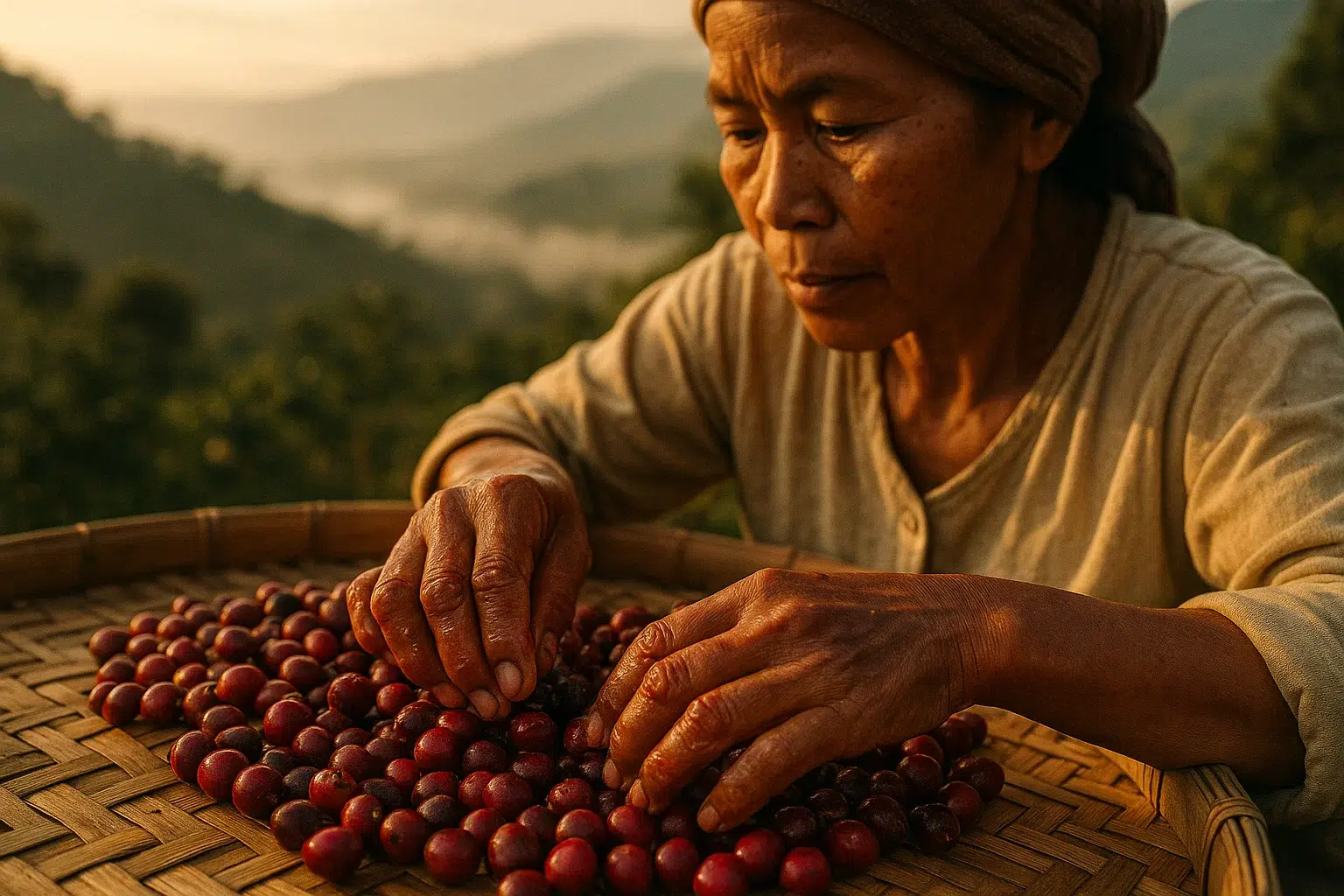
Image source: Cafedirect
Vietnam's Dark Roast Intensity
The Robusta Powerhouse
Vietnam happens to be among the biggest coffee producers in the world and a major producer of Robusta coffee beans. As opposed to Arabica, Robusta has higher levels of caffeine and an earthy flavor that tastes slightly bitter.
It is this particular taste that forms the basis for the love of Vietnamese coffee.
The Art of the Phin Filter
Another notable method for brewing coffee in Vietnam is the use of a small metal phin filter.
Rather than making coffee using high pressure, the phin filter makes use of dripping hot water on finely ground coffee, thus delivering rich and strong coffee.
To counterbalance the strength of the beverage, many local people prefer to use sweetened condensed milk, which forms the iconic Vietnamese iced coffee.
Egg Coffee: A Hanoi Specialty
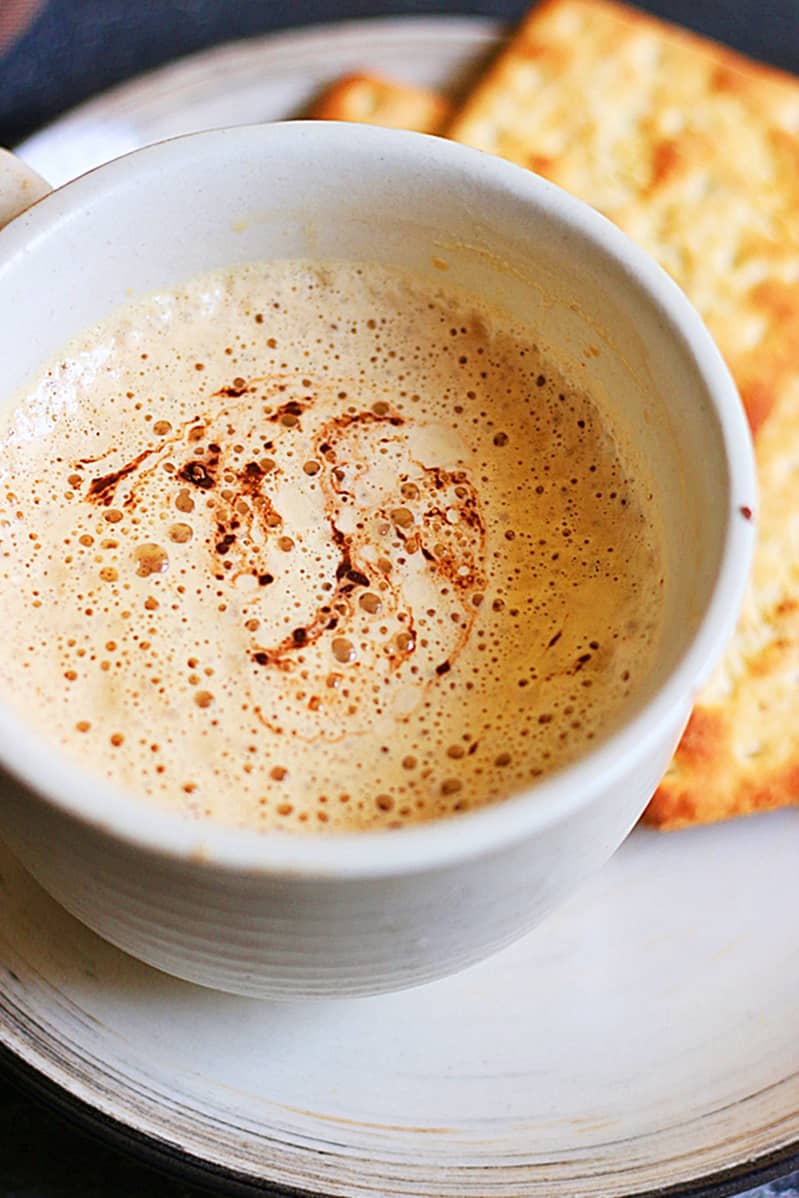
Another iconic Vietnamese product is Egg Coffee (Cà Phê Trứng).
Created in Hanoi in times when there was a shortage of milk, egg coffee is made from a combination of whisked egg yolk, sugar, condensed milk, and very strong coffee. The egg-based foam makes coffee taste milder yet keeps its intense flavor.

Indonesia's Rich and Earthy Coffee Heritage
Kopi Tubruk – The Most Authentic Coffee Drink in Indonesia
One of the traditional ways to make coffee in Indonesia is Kopi Tubruk, where coffee grounds are added in the cup before adding boiling water on top of them.
The coffee grounds sink naturally to the bottom of the cup, as there is no filter involved.
Java and Sumatra's Distinctive Beans
There are various types of coffee produced in Indonesia, which enjoy a high reputation among international consumers.
The two of them are as follows:
Mandheling (Sumatra): Earthy, chocolatey, and low acidity.
Toraja (Sulawesi): Smooth, complex, and with some fruity notes.
Most Indonesian coffee is subjected to a special Giling Basah (wet-hulling) processing method.

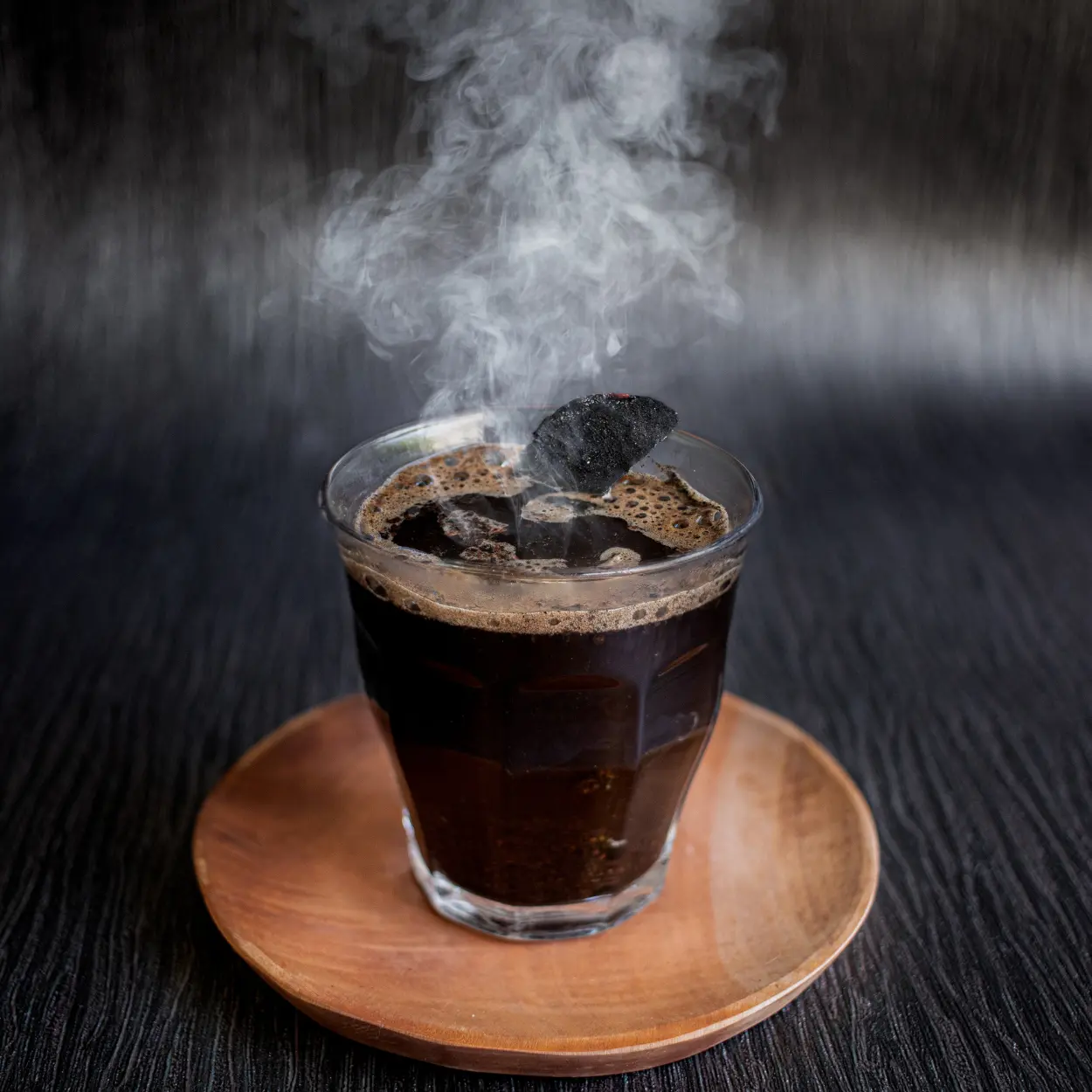
Kopi Joss: Coffee with Charcoal
The coffee lovers who visit Yogyakarta love to taste Kopi Joss.
It is an interesting coffee preparation wherein charcoal is placed in coffee that has just been brewed. Even if charcoal gets cold soon after being used in coffee, it is believed that it reduces acidity in coffee.

South Korea's High-Energy Café Culture
The Iced Americano Phenomenon
In South Korea, there exists a very active café culture, which includes the Iced Americano, also known to locals as “Ah-Ah.” The iced Americano is chosen by many people because of the fact that this drink provides a lot of espresso flavor without being heavy.
Specialty Coffee Innovation
Consistency is a major factor for current Korean coffee shops.
The baristas usually employ the following methods:
Precision digital scales
Timed espresso shots
Brewing ratios with measurements
Cold brew concentrates
Such practices will help to produce coffee that is balanced in taste and consistent in strength.
Coffee and Study Culture
The rigorous academic culture of South Korea has had an impact on the coffee culture of the country as well.
Students devote their time to studying in coffee shops designated for such activities. These coffee shops provide coffee, quiet space, and late-night availability, which allows them to study for many hours at a time.

Thailand's Sweet Yet Powerful Coffee
Oliang: Traditional Thai Coffee
The traditional coffee of Thailand, called "Oliang," has a distinctive flavor characteristic.
Unlike other blended coffees available in the market, Oliang usually comprises coffee beans along with roasted corn, soy beans, or sesame seeds. The brew of Oliang comes through the process of filtration using cloth, making it thick enough to serve on ice.
Thai Espresso
Coffee stands found across Thailand serve up strong, espresso-style coffee through pressure machines. This rich coffee is often combined with condensed or evaporated milk to achieve the perfect blend of sweetness and the roasted taste.
Northern Thailand's Arabica Revolution
Farmers are cultivating high-grade Arabica beans in the Chiang Mai mountain areas. The mountain area is known for its high altitude and cooler temperature that slows the growth of beans to develop unique flavors. Arabica contains less caffeine compared to Robusta; however, the superior taste of Arabica has made Northern Thailand famous globally.
Practical Tips for Enjoying Strong Coffee
Choosing Quality Beans
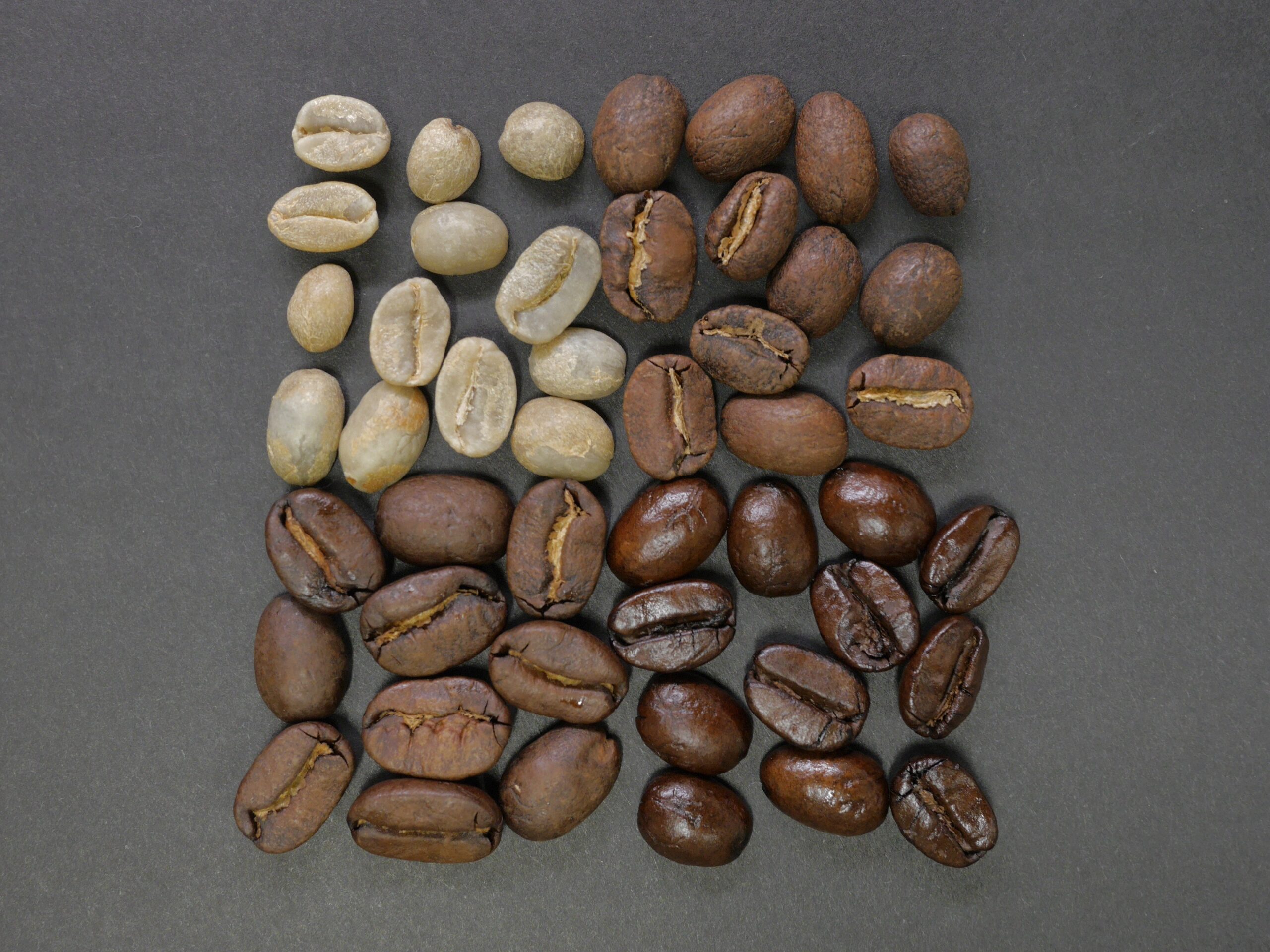
When choosing to purchase Asian coffee that can be brewed at home, take into consideration the following factors. Robusta coffee is used for increased amounts of caffeine and more pronounced taste. Arabica coffee can be chosen for decreased acidity and more complex flavors. Buy fair-trade or responsible sourcing for more environmentally friendly coffee consumption. The freshest possible whole beans will yield the best taste when freshly ground.

Brewing Bold Coffee at Home
There are various methods of brewing coffee that imitate the old Asian methods.
For brewing Vietnamese coffee:
Use a fin filter.
Brew the coffee slowly.
Alter the proportion of coffee to water as per your taste.
For brewing Indonesian-style coffee:
A French press is able to make a similar body of the drink.
Use a bit more coffee than the regular method of brewing.
Managing Caffeine Intake
Strong coffee can be fun without excessive consumption.
For the prevention of unwanted effects:
Consume coffee at the beginning of the day.
Keep yourself well hydrated.
Do not consume several beverages containing high caffeine levels in short succession.
Moderate consumption of coffee enables one to savor the taste and cultural aspects associated with it.
.jpg)
Bringing Asia's Bold Coffee Traditions Home
The coffee culture of Asia proves that boldness is not limited to the caffeine amount of the drink. Vietnam is all about bold Robusta coffee and traditional slow-drip preparation. Indonesia has earthy, full-bodied brewing traditions. South Korea has a mixture of precise tradition and contemporary earthly culture. Thailand balances bold coffee with sugar and inventiveness.
Learning regional brewing styles means more than trying new coffee; this will allow you to learn more about the traditions, history, and life of the people who developed these styles.
Brewing coffee with a phin filter, preparing your Indonesian coffee, or drinking special Northern Thai coffee will be an adventure. Experimenting with various beans, brewing techniques, and recipes of different regions of Asia will reveal to you the diverse coffee heritage of the continent.

Conclusion
The coffee traditions in Asia have a lot more significance than being about a mere buzz—it is about the history, culture, and artistry of the individual regions themselves. This includes Vietnam with its robust Robusta varieties; Indonesia with its powerful Kopi Tubruk; South Korea with its modern coffee culture; and Thailand with its strong and yet sweet coffee varieties.
For a true coffee lover, there is no harm in trying out these different brewing techniques. After all, the best coffee cannot only be about its caffeine strength.


.jpg)




Comments
Post a Comment